2 Player Scratch Games
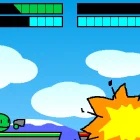
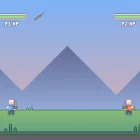
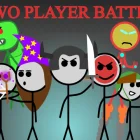
2 Player Scratch Games bring two people into the same activity, where each participant can compete, cooperate, or try to outscore the other. These games suit short breaks, friendly challenges, and shared sessions in which both players want to influence the result. Some rounds depend on quick reactions, while others reward planning, timing, or an understanding of the opponent’s next move.
How Two Participants Change the Experience
Playing with another person creates a different dynamic from completing a challenge alone. Every decision can affect the other participant, and even a simple objective becomes more interesting when both sides are trying to reach it first. In 2 Player Scratch Games, the appeal often comes from direct interaction rather than a long sequence of tasks.
Depending on the rules, players might control separate characters, share a playing field, or take turns performing actions. Before beginning, it helps to understand whether the objective is to collect more points, reach a destination, survive longer, or prevent the opponent from succeeding.
Competition, Cooperation, and Shared Goals
Not every two-person challenge requires an opponent. Some activities ask participants to work together, coordinate their movements, or complete a shared objective. Others establish a clear winner, making every point and mistake important. This variety allows 2 Player Scratch Games to suit different relationships and playing preferences.
- Head-to-head contests: Compare scores, race toward an objective, or try to outlast the other participant.
- Cooperative challenges: Coordinate actions and help each other overcome obstacles.
- Turn-based activities: Take individual actions and consider how each move changes the situation.
- Reaction contests: Respond quickly when an opportunity appears on the screen.
Choosing the right format makes a difference. Friends who enjoy competition may prefer clear scoring rules, while participants who want a relaxed shared activity might choose a cooperative objective.
Controls and Fair Starts
When two people use the same keyboard, controls should be easy to distinguish. One player might use the arrow keys while the other uses letter keys, although the arrangement depends on the particular title. Checking the instructions before starting prevents confusion during important moments.
For a balanced contest, both participants should understand the available movements, the scoring conditions, and any limits on their actions. A short practice round can help beginners learn the controls without deciding the final result. This is particularly useful when one participant has more experience than the other.
Skills That Matter During a Match
Success rarely depends on speed alone. Some 2 Player Scratch Games reward observation and anticipation, while others require accurate movement or consistent timing. Learning to recognize repeated patterns can help a participant make better decisions instead of reacting to every situation without a plan.
- Watch the objective: Keep attention on the condition needed to score or finish.
- Learn the movement: Understand how the character responds to each input.
- Study the opponent: Notice repeated choices and likely responses.
- Adjust your approach: Change tactics when the current method stops working.
These habits are useful across different genres. A racing contest may demand careful steering, while a platform challenge might depend on accurate jumps and an awareness of moving obstacles.
Choosing a Suitable Challenge
The best choice depends on the people playing and the amount of time available. Beginners may prefer simple objectives and predictable controls. Experienced participants might enjoy games that combine several mechanics or require decisions under pressure. A clear explanation of the rules is especially valuable when both players are unfamiliar with the activity.
- Choose short rounds when you want to switch between several activities.
- Look for balanced controls when neither participant should have an obvious advantage.
- Try cooperative objectives when teamwork matters more than winning.
- Select varied stages when you want each round to present a different problem.
Making Each Session More Enjoyable
Friendly competition works best when everyone understands the rules and has a reasonable chance to improve. Rotating roles, changing opponents, or trying a new challenge can keep repeated sessions interesting. Players can also agree to experiment with unfamiliar strategies instead of using the same successful move every time.
The wider ScratchGamesHub collection provides a starting point for exploring different styles of browser-based entertainment. Comparing the available activities can help you find a suitable match for your group, whether the priority is teamwork, quick decisions, or a close contest.
2 Player Scratch Games are especially suitable for people who enjoy sharing the result rather than playing in isolation. A simple objective, understandable controls, and meaningful interaction can turn a short round into a memorable challenge. The most satisfying sessions often come from close results, improved coordination, and the willingness to try again after a difficult match.