New Games
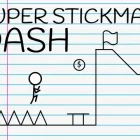

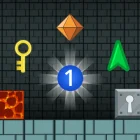

New Games gives players a way to discover recently added activities and explore ideas they may not have encountered before. A fresh release might introduce an unfamiliar objective, combine mechanics from different genres, or offer a new interpretation of a familiar challenge. Exploring recent additions can help players expand their choices instead of returning to the same titles every time.
Why Explore Recent Additions?
Trying something new can reveal a different approach to entertainment or problem-solving. A title that initially appears similar to a familiar favorite may introduce a distinctive control scheme, objective, or progression system. The New Games category helps organize discovery around recent additions rather than relying only on established favorites.
Recently added does not automatically mean suitable for every player. The best choice still depends on the type of challenge, the time available, and whether the controls and objectives match your preferences.
Understanding the Main Objective
Before beginning an unfamiliar activity, identify what counts as success. The objective might involve reaching a destination, collecting objects, solving a puzzle, defeating an opponent, or earning a target score. Knowing the intended outcome makes it easier to understand which actions matter.
- Read the instructions: Learn the basic controls and rules before starting.
- Identify the goal: Determine what must happen to complete a round.
- Check the available actions: Understand how movement and interaction work.
- Notice restrictions: Look for limits on time, attempts, or resources.
Finding Games That Match Your Interests
A category label can help narrow the selection, but the description and central mechanics provide additional context. Someone who enjoys careful planning may prefer a puzzle or strategy challenge, while a player looking for immediate action might choose movement-based tasks. Comparing these elements can prevent time spent on an activity that does not fit the intended mood.
Consider trying a new genre occasionally. A person who usually selects racing activities may discover an interest in timing challenges, while someone who enjoys puzzles may appreciate an exploration-based experience.
Evaluating Controls and Difficulty
Unfamiliar controls can make an otherwise suitable title difficult to understand. A brief practice period helps establish how the character moves, how objects are selected, and how the activity responds to input. Difficulty also matters: an introductory challenge may be appropriate for a short break, whereas a complex stage may require more concentration.
- Spend the first moments learning the controls.
- Complete an easy objective to understand the basic rules.
- Notice which mechanics make the activity interesting.
- Continue if the challenge suits your preferences.
Trying New Ideas Without Expectations
Recent additions may use unfamiliar combinations of mechanics or present an unusual objective. Giving an activity a short trial can help determine whether its central idea appeals to you. It is not necessary to complete every title you start; discovery works best when trying something different remains an enjoyable choice.
When an activity feels confusing, check its instructions before deciding that the design is unsuitable. Sometimes a small detail explains the intended method and makes the rest of the experience easier to understand.
Building a Personal Shortlist
As you explore, remember the titles that match your preferred style. You might favor short rounds, gradually increasing difficulty, creative tasks, or challenges with clear completion conditions. A personal shortlist makes future browsing faster while leaving room to try unfamiliar options.
- Keep track of activities with controls you find comfortable.
- Remember titles that offer an appropriate level of difficulty.
- Try related genres when you want a change of pace.
- Return to a promising challenge when you have more time.
Exploring the Wider Collection
Recent additions are only one way to discover something interesting. Established categories can provide useful alternatives when you want a specific type of challenge. Comparing new releases with other activities helps reveal whether you prefer familiar mechanics or enjoy learning a different system.
Visit ScratchGamesHub to explore the wider collection and find activities that match your interests. Use category descriptions and objectives to narrow the selection rather than choosing solely because a title is newly listed.
The New Games category encourages curiosity and gives players a reason to look beyond their usual choices. By checking the objective, learning the controls, and giving unfamiliar mechanics a fair trial, you can discover activities that suit your preferences. The value of a new release ultimately depends on how well its challenges and ideas match what you enjoy.