Shooting Scratch Games
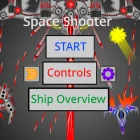
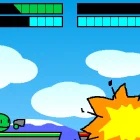

Shooting Scratch Games focus on aiming, timing, target recognition, and controlling movement during encounters. Depending on the activity, players may need to hit moving targets, defend an area, avoid incoming attacks, or complete objectives while managing limited ammunition. Success depends on understanding the controls and selecting actions that suit the situation rather than firing without considering accuracy or positioning.
Aiming With Greater Precision
Accurate aiming begins with understanding how the controls move the targeting point and how quickly the target changes position. Shooting Scratch Games may feature stationary objects, moving opponents, or several targets that require different responses. Learning the movement pattern helps players choose a better moment to act.
When a shot misses, consider whether the target moved, the aim was inaccurate, or the action occurred too early. Identifying the reason makes it easier to adjust the next attempt.
Recognizing Targets and Priorities
Some challenges present several targets at once, making prioritization important. A nearby threat may require immediate attention, while a distant target may be easier to handle after movement has been controlled. The correct order depends on the objective and the risks created by each target.
- Identify the objective: Determine which targets matter for completing the task.
- Observe movement: Notice the direction and speed of moving targets.
- Choose priorities: Handle the most urgent situation first.
- Reassess regularly: Change focus when the circumstances shift.
Movement and Positioning
Position affects which targets can be reached and how easily the player can respond to incoming hazards. Staying in one place may simplify aiming, but it can also leave the character exposed to predictable attacks. Moving constantly may make targeting less accurate, so the goal is to find a balance between stability and awareness.
Learn how the environment provides cover, open routes, or areas with a clearer view. Choosing a useful position before an encounter can reduce the number of adjustments required later.
Managing Ammunition and Other Resources
Some activities limit the number of shots or provide only occasional opportunities to replenish ammunition. In these cases, accurate actions are more valuable than repeated attempts with little chance of success. Check the resource rules and consider whether waiting for a clearer target would improve the result.
- Review the available ammunition or action limits.
- Wait for a suitable opportunity when the rules allow it.
- Make deliberate inputs rather than firing without a clear target.
- Reconsider the approach when resources become scarce.
Adapting to Different Encounter Types
Target challenges, defensive scenarios, and movement-based encounters require different approaches. A stationary target rewards steady aim, while a moving target may require anticipation. A defensive objective may place greater importance on recognizing which threat could interfere with progress.
Before starting a new stage, determine whether accuracy, survival, speed, or resource management is the main requirement. Understanding that priority helps you choose a strategy that fits the encounter.
Improving Through Repeated Attempts
Practice can improve the consistency of aiming and decision-making. If the same target is repeatedly missed, focus on its movement pattern and the timing of the input. If a stage ends because the character is poorly positioned, try another route or spend more time observing the environment before engaging.
- Practice tracking one moving target.
- Learn how the aiming controls respond.
- Review the sequence that led to an unsuccessful attempt.
- Change one important decision before trying again.
Choosing a Suitable Shooting Challenge
Some players prefer precise target practice, while others enjoy stages involving movement and several simultaneous objectives. Difficulty may depend on target speed, the available resources, and the amount of time provided. Choose a challenge that matches your preferred pace and offers understandable rules.
Visit ScratchGamesHub to explore different categories and compare available activities. Looking at the main objective and control arrangement can help you identify a suitable challenge before starting.
Shooting Scratch Games reward accurate aiming, situational awareness, and careful prioritization. Learning target movement, managing limited resources, and choosing useful positions can make difficult encounters easier to handle. Rather than relying on constant action, focus on the objective and select each response according to the situation.