Action Scratch Games
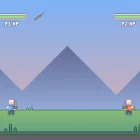
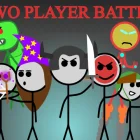



Action Scratch Games focus on movement, immediate decisions, and responding to situations as they develop. Players may need to avoid hazards, defeat opponents, protect a character, or reach an objective while the surrounding environment keeps changing. The central challenge is to understand what is happening and choose an effective response without losing control of the situation.
Responding to Events as They Happen
Action-oriented activities often place several demands on the player at once. An obstacle may block a route while an opponent approaches from another direction, or a limited opportunity may require a quick decision. In Action Scratch Games, success comes from balancing awareness with deliberate movement instead of pressing controls without considering the result.
Different titles establish different priorities. One may reward accurate attacks, another may emphasize dodging, and a third may ask players to move through a hazardous area. Identifying the main objective early helps prevent unnecessary actions and makes each attempt more purposeful.
Movement as a Tool for Survival
Movement determines how a character approaches threats, reaches useful positions, and escapes dangerous situations. Jumping, running, turning, and changing direction may seem straightforward, but their timing can determine whether an attempt succeeds. Players benefit from learning how far a character travels and how quickly it responds to input.
- Positioning: Move toward locations that provide a clearer route or a better view of approaching hazards.
- Timing: Act when an opening appears rather than repeating the same movement continuously.
- Distance: Maintain enough room to respond when an opponent or obstacle moves closer.
- Recovery: Return to a useful position after a missed attack or an unexpected movement.
These principles apply to many types of action challenges. A character that moves too far forward may become vulnerable, while a cautious approach can leave too little time to complete the objective.
Understanding Different Combat Approaches
Some action activities involve direct confrontation, while others focus on evasion or environmental hazards. Combat-based challenges may require players to select suitable moments to attack, observe an opponent’s behavior, and avoid predictable movements. Other titles allow progress without fighting every opponent, making route selection an important part of the decision-making process.
When an encounter becomes difficult, examine the sequence of events. If the character repeatedly takes damage while approaching, a different route or a more patient strategy may help. If attacks fail to connect, changing distance or waiting for a clearer opening can be more effective than increasing the number of attempts.
Reading Hazards Before They Become Problems
Environmental awareness is an important part of Action Scratch Games. Moving platforms, falling objects, barriers, and timed traps can interrupt progress even when no opponent is present. Learning how a hazard behaves allows players to plan a route instead of reacting at the last possible moment.
- Observe the obstacle before entering its path.
- Identify the safe area or the interval when movement is possible.
- Choose a direction that leaves room for correction.
- Continue only when the next action has a reasonable chance of success.
Repeated attempts become more useful when each one tests a specific idea. Changing one decision at a time makes it easier to understand which approach works and which movement creates additional risk.
Managing Pressure and Limited Resources
Some challenges introduce health, ammunition, energy, lives, or other limited resources. These elements encourage players to think about the cost of an action before committing to it. Spending everything during an easy encounter can leave fewer options when a more demanding situation appears.
Resource management does not always mean avoiding every risk. Sometimes an immediate action prevents a larger problem later. The useful question is whether the expected benefit justifies the cost and whether another option would produce a better result.
Improving Through Deliberate Practice
Action Scratch Games can reward small improvements that become noticeable after several attempts. A player might learn to jump earlier, avoid an unnecessary confrontation, or recognize the warning signs of a hazard. Rather than repeating an entire sequence without reflection, concentrate on the section that causes the most trouble.
- Practice unfamiliar controls in a low-pressure section.
- Identify the most common reason an attempt fails.
- Test a different movement or timing choice.
- Keep successful techniques and revise ineffective ones.
Finding an Action Style That Fits
Players who enjoy rapid responses may prefer short encounters and frequent movement. Those who like more deliberate decisions might choose challenges involving positioning, navigation, or limited resources. Difficulty also matters: a demanding activity can be rewarding when its rules are understandable, but unclear objectives may make progress frustrating.
The ScratchGamesHub homepage is a useful place to begin exploring different kinds of browser-based activities. Comparing objectives and control styles helps narrow the selection to challenges that match your preferred pace and level of involvement.
Action Scratch Games offer a range of situations in which observation and movement work together. Whether the task involves escaping a hazard, handling an opponent, or reaching a distant objective, improvement comes from understanding the environment and choosing actions with a clear purpose. Each attempt provides another opportunity to refine timing, positioning, and judgment.