Multiplayer Scratch Games
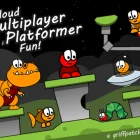
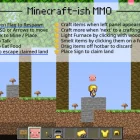
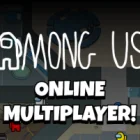
Multiplayer Scratch Games bring several participants into a shared activity where their decisions influence one another. Depending on the format, players may compete for points, cooperate toward a common objective, or interact within the same environment. These experiences emphasize awareness of other participants, an understanding of shared rules, and the ability to adapt when the situation changes.
What Shared Play Adds
Playing alongside other people creates outcomes that are less predictable than those produced by a fixed challenge. An opponent may change direction, a teammate may choose an unexpected route, or a group decision may alter the next objective. Multiplayer Scratch Games can therefore reward observation and flexible thinking as much as individual skill.
The exact format varies. Some activities are designed for several local participants, while others provide a shared experience through supported network features. Check the instructions to understand how participation works before choosing a title.
Competition and Cooperative Objectives
Competitive activities establish separate goals or scores, encouraging participants to improve their performance relative to others. Cooperative challenges instead require players to coordinate their actions, share information, or combine different abilities. Each format creates a different reason to pay attention to other participants.
- Score competitions: Try to reach a target before the other participants.
- Team objectives: Combine actions to complete a shared task.
- Survival challenges: Avoid hazards while responding to changing conditions.
- Shared exploration: Discover routes and interact with a common environment.
Communication and Coordination
When teamwork matters, clear communication helps participants avoid repeating actions or working toward conflicting goals. Agreeing on a simple plan can be enough to improve coordination. In a competitive format, communication may instead involve interpreting the rules and understanding what actions are permitted.
Useful communication focuses on information that affects the next decision. Explaining a hazard, identifying an objective, or indicating a useful route is often more effective than providing a constant stream of unrelated comments.
Learning From Other Players
Other participants can reveal approaches that might not be obvious when playing alone. Observing how someone handles a difficult obstacle or manages resources can provide ideas for future attempts. At the same time, copying another person’s actions without understanding their purpose may be ineffective when the situation changes.
- Notice a strategy that produces a useful result.
- Identify the conditions that make it effective.
- Try the approach in a similar situation.
- Adapt it when the rules or circumstances differ.
Fair Play and Shared Rules
A positive multiplayer session depends on participants understanding the rules and respecting the shared objective. Fair play keeps the focus on decision-making rather than arguments about what is allowed. When the controls or scoring conditions are unclear, clarify them before beginning a competitive round.
Players should also be mindful of privacy when communicating with unfamiliar participants. Avoid sharing personal information, and use the communication options and safety features available in the environment.
Handling Unexpected Changes
Shared activities can change quickly when another participant makes an unexpected move. A strategy that worked a moment earlier may no longer be appropriate. Rather than continuing automatically, reassess the current situation and decide whether the original plan still supports the objective.
- Watch for changes in the positions of other participants.
- Keep track of shared objectives and remaining time, when relevant.
- Adapt your role when a teammate needs assistance.
- Learn from close results without treating every loss as a failure.
Choosing the Right Multiplayer Format
The number of participants, length of each round, and amount of cooperation can determine whether an activity suits a particular group. Some people prefer quick contests, while others enjoy longer challenges with several shared goals. Confirm that the chosen title supports the intended number of participants and the required way of playing.
The ScratchGamesHub homepage provides a starting point for exploring different categories and discovering activities that may suit your group. Compare objectives and control arrangements before deciding which challenge to try together.
Multiplayer Scratch Games create opportunities for competition, cooperation, and learning from other participants. Clear communication, an understanding of shared rules, and a willingness to adapt can improve the experience for everyone involved. The most suitable activity is one whose format, pace, and objectives match the interests of the people taking part.