Geometry Dash Scratch Games
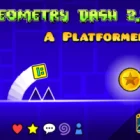


Geometry Dash Scratch Games challenge players to guide a moving character through obstacle-filled stages where timing and precise inputs determine success. Spikes, gaps, platforms, and changing movement patterns create a sequence of decisions that must be made at the right moment. The central task is to recognize upcoming hazards, understand the rhythm of the course, and repeat difficult sections until the movements become consistent.
Learning the Course One Section at a Time
At first, a stage may appear to be a continuous sequence of hazards. With practice, however, its layout becomes easier to understand. Players begin recognizing where jumps are required, where the character can continue moving safely, and which transitions demand particular attention.
Geometry Dash Scratch Games reward familiarity with the course. Remembering the order of obstacles reduces uncertainty and allows players to prepare for upcoming actions rather than responding only when a hazard is already close.
Jump Timing and Distance
A jump can succeed or fail because of a small difference in timing. Acting too early may leave the character short of a platform, while acting too late can cause a collision. Learning the relationship between the character’s movement and the position of each obstacle is therefore essential.
- Identify the takeoff point: Notice where the jump needs to begin.
- Estimate the gap: Consider the distance between the current surface and the next safe area.
- Observe landing space: Prepare for the movement required immediately after landing.
- Repeat consistent inputs: Avoid changing a successful timing pattern without a reason.
Following Rhythm Without Losing Focus
Music can provide useful cues for anticipating movement, especially when obstacles repeat in a regular pattern. However, sound should support visual awareness rather than replace it completely. A section that feels rhythmic still requires attention to the actual position of hazards.
Geometry Dash Scratch Games can become easier when players connect a sequence of movements with a familiar musical pattern. Once a passage is understood, that relationship helps establish a more reliable timing routine.
Handling Changes in Movement
Some stages introduce different movement modes or alter how the character interacts with the environment. A familiar jumping strategy may not work after such a change. Players should pay attention to new visual cues and determine how the current mode affects movement before attempting a difficult passage.
- Recognize the point where the movement rules change.
- Identify which input controls the new action.
- Observe the spacing between nearby obstacles.
- Practice the transition until the new response becomes predictable.
Why Repeated Attempts Are Useful
Failure reveals which part of a course needs attention. If the character repeatedly collides with the same obstacle, the problem may involve jump timing, an incorrect estimate of distance, or a poorly understood transition. Treating each attempt as information makes repetition more productive.
Instead of trying to complete the entire stage with the same approach, concentrate on one difficult passage. Once the movement becomes reliable, apply it within the full sequence. This method reduces frustration and gives practice a clear purpose.
Maintaining Concentration During Long Runs
As a run continues, players may begin anticipating the end and paying less attention to immediate obstacles. That shift can cause errors in sections that were previously manageable. Keeping attention on the next movement is more useful than thinking too far ahead while the character is still navigating the current hazard.
- Maintain a comfortable posture and control position.
- Focus on the next obstacle rather than the entire remaining stage.
- Take a short break if repeated mistakes begin to accumulate.
- Return with a clear goal for the section that needs improvement.
Choosing a Suitable Level
Difficulty can depend on obstacle density, the length of the course, the complexity of movement changes, and the precision required. Beginners may prefer stages with recognizable patterns and generous spacing. Experienced players might seek longer sequences that require sustained concentration and accurate transitions.
Explore the ScratchGamesHub homepage to compare different activity categories and find a challenge that matches your experience. Starting with a manageable course can make it easier to develop reliable movement habits before tackling more demanding stages.
Geometry Dash Scratch Games combine memorization, timing, and repeated practice. Understanding obstacle placement, learning transitions, and concentrating on specific problem areas can gradually improve consistency. Each successful section builds familiarity with the course and makes the next attempt more informed.