Platformer Scratch Games
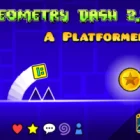
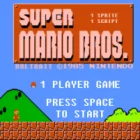

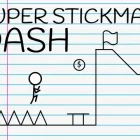
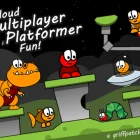
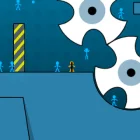

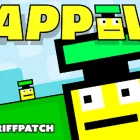

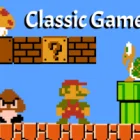
Platformer Scratch Games center on moving a character across connected surfaces, jumping between platforms, avoiding hazards, and reaching a destination. A level may use gaps, moving ledges, narrow landing areas, or obstacles that require precise timing. Players must understand the character’s movement and the layout of the route to make steady progress through each stage.
Understanding the Shape of a Level
Platforming challenges become easier to navigate when players recognize how the surfaces connect. A wide platform may offer space to prepare for the next jump, while a narrow ledge can leave little room for correction. Platformer Scratch Games often use these differences to create decisions about where to move and when to act.
Look beyond the immediate obstacle when possible. Knowing where the next safe landing area is located helps you prepare for the movement that follows rather than treating every jump as an isolated task.
Controlling Jumps and Landings
Successful jumping requires an understanding of distance, timing, and the character’s response to input. A jump that begins too early may fall short, while a late response can lead to a collision. Learning these relationships through careful attempts improves consistency.
- Check the gap: Estimate the distance to the next safe surface.
- Choose a starting point: Begin the movement from a position that provides enough space.
- Watch the landing: Prepare to stop or change direction after touching down.
- Maintain control: Avoid unnecessary inputs that could disrupt a successful movement.
Moving Platforms and Changing Routes
Some stages introduce platforms that travel between locations or disappear after a certain interval. These obstacles require players to consider both distance and timing. Waiting for a suitable position can be safer than jumping immediately, particularly when a missed landing would require repeating a large section.
Observe the platform’s movement before committing. Recognizing its pattern can help you predict when the next opportunity will appear and choose a more reliable moment to cross.
Hazards, Enemies, and Safe Passage
Hazards may block a direct route or require the character to move through a narrow opening. Enemies can add another layer of difficulty by changing where it is safe to land. Understanding the behavior of each obstacle makes it easier to decide whether to jump over it, wait, or take another path.
- Identify the hazard and how it moves.
- Locate a safe area before entering the difficult section.
- Choose a movement that leaves room for correction.
- Observe the result and adjust the next attempt if needed.
Learning From Missed Jumps
A failed jump provides information about the route or the timing used. If the character lands short, a different starting point may help. If the character passes beyond the target, the input duration or direction may need adjustment. Changing one factor at a time makes it easier to determine which adjustment improves the result.
When a level contains several difficult jumps, practice the most troublesome section separately if the activity allows it. Once that movement becomes consistent, connect it with the earlier parts of the route.
Collectibles and Optional Challenges
Objects placed away from the main path can encourage players to attempt more difficult movements. Collecting them may provide points or contribute to an additional objective, but the detour is not always necessary to finish the level. Decide whether the reward justifies the added risk.
- Check whether the collectible is required for completion.
- Consider the safety of the route leading to it.
- Plan the return path before leaving the main platform.
- Prioritize reaching the goal when optional risks outweigh the benefit.
Choosing Levels That Support Improvement
Short stages with broad platforms can help beginners learn basic movement. Longer courses and narrow landing areas may suit players who already understand the controls. A gradual increase in difficulty makes it easier to recognize progress and build confidence without skipping essential skills.
The ScratchGamesHub homepage offers a starting point for exploring platforming activities and other categories. Compare level objectives and movement requirements to find a challenge that suits your current experience.
Platformer Scratch Games combine route planning, jump accuracy, and awareness of environmental hazards. Learning how platforms connect and adjusting movements after each attempt can make difficult stages more manageable. With a clear understanding of the route, players can progress through obstacles more consistently and approach each new section with greater confidence.