Mario Scratch Games
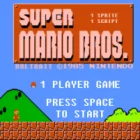
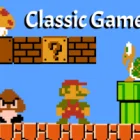

Mario Scratch Games bring together familiar platforming ideas, colorful environments, collectible objects, moving obstacles, and journeys toward a goal. Players may need to cross gaps, reach elevated platforms, avoid enemies, or discover a route through a stage. The main challenge is to combine movement and observation while learning how the environment responds to each action.
Moving Through Platform-Based Stages
Platforming depends on controlling a character across surfaces at different heights. A successful jump requires awareness of the starting position, the distance to the next platform, and the space available for landing. Mario Scratch Games often use these basic movements to create challenges that become more demanding as the route develops.
Before making a difficult jump, examine the next safe surface and notice whether another obstacle appears immediately afterward. A landing that succeeds technically may still leave the character poorly positioned for the next movement.
Collectibles and Optional Routes
Coins and other objects can encourage players to explore areas away from the most direct path. Some collectibles are placed along the natural route, while others require a jump, detour, or carefully timed movement. Decide whether an optional reward is worth the risk before leaving a safe path.
- Follow the main route: Identify the direction needed to reach the stage objective.
- Inspect side paths: Look for additional objects or alternate passages.
- Check the landing area: Make sure a collectible can be reached without creating a larger problem.
- Prioritize survival: Avoid unnecessary risks when a difficult section is nearly complete.
Recognizing Enemies and Hazards
Enemies may move along fixed routes, approach the character, or occupy narrow passages. Environmental hazards can include gaps, moving platforms, and surfaces that require careful timing. Learning the behavior of each obstacle helps players choose when to jump, wait, or change direction.
When a passage seems difficult, observe the movement pattern before attempting it repeatedly. A short delay may reveal a safer opening, while a different approach can avoid an unnecessary encounter.
Power-Ups and Changing Abilities
Some adaptations introduce objects that temporarily change the character’s abilities or provide additional protection. Their usefulness depends on the current challenge. An ability that helps cross a hazardous area may be less important in a section focused on navigation or collecting items.
Learn what each object does before relying on it. Understanding its effect allows you to decide when to use the benefit and how it changes the available movement options.
Improving Jump Accuracy
Repeated platforming attempts can teach players to judge distance more reliably. If a jump repeatedly falls short, the starting position or timing may need adjustment. If the character overshoots a platform, a shorter input or earlier correction may help.
- Observe the width and position of the next platform.
- Choose a suitable takeoff point.
- Keep track of the character’s movement during the jump.
- Adjust the next attempt based on where the landing failed.
Exploring Different Level Designs
Some stages emphasize straightforward movement, while others introduce vertical routes, hidden passages, moving surfaces, or repeated enemy encounters. A varied layout encourages players to apply familiar skills in new situations. Learning one type of obstacle can also make similar sections easier to recognize later.
Try to understand how the whole route is arranged instead of focusing only on the next jump. Recognizing a sequence of connected obstacles can help you prepare for the transitions between them.
Choosing a Comfortable Challenge
Beginners may prefer short stages with generous landing areas and clear objectives. More experienced players may enjoy longer routes with precise jumps and fewer opportunities to recover from mistakes. A suitable challenge should encourage improvement without making the controls feel unpredictable.
The ScratchGamesHub homepage is a useful starting point for discovering different categories and movement-based activities. Compare stage objectives and control styles to find a challenge that suits your experience.
Mario Scratch Games reward observation, accurate movement, and an understanding of how obstacles fit together. Collecting optional items can add another goal, while learning enemy behavior makes routes easier to navigate. With practice, players can turn difficult jumps and unfamiliar layouts into manageable parts of a larger journey.