
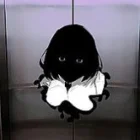
Nate Hand Gesture
Play Nate Hand Gesture, a for Boys game, free in your browser. No download, no sign-up.
You may like









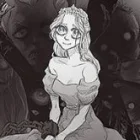






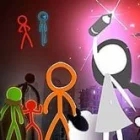
Nate Hand Gesture turns a familiar hand game into an uncomfortable test of judgment. You meet Nate, face a sequence of rock-paper-scissors rounds, and quickly discover that knowing the rules is not enough to stay safe. The central challenge is reading her mood while choosing when to cooperate, when to speak carefully, and when to risk a win. This psychological horror visual novel combines a compact branching story with a deliberately simple hand-gesture mechanic, so even a single choice can change the tone of a scene.
| Format | Psychological horror visual novel |
| Main mechanic | Rock, paper, scissors and dialogue choices |
| Story focus | Nate’s mood, branching outcomes, hidden routes |
| Progression | Repeated rounds and story decisions |
Reading Nate Hand Gesture Beyond the Hand Signs
The rules of rock-paper-scissors are straightforward: rock beats scissors, scissors beat paper, and paper beats rock. The tension comes from the fact that Nate does not behave like a neutral opponent. Her mood influences how a round feels and whether a technically sensible choice is actually safe. Treating every turn as a mathematical contest is one of the easiest beginner mistakes, because the conversation around the match matters just as much as the gesture itself.
Pay attention to her expression, pauses, and reactions after each exchange. A player who enjoys dialogue choices will get more from watching how a response changes the atmosphere than from trying to force a quick victory. The game makes politeness and restraint feel strategic rather than decorative, and that creates a strange rhythm: a win can be unsettling, while a loss may keep the conversation moving in a less dangerous direction.
The current story is compact, with one main route, several other outcomes, and three death endings described in the game’s published information. That limited scope makes repeat attempts useful: you can revisit a moment and test a different response without needing to learn a huge map. Players who like branching visual novels may enjoy comparing outcomes, while players who prefer transparent rules may find Nate’s shifting behavior intentionally frustrating.
Round Rhythm, Mood, and Risk in Nate Hand Gesture
Think of each round as two connected decisions. First choose the hand sign, then consider what the result means for the relationship with Nate. The familiar win-loss cycle gives the scene structure, but it does not remove the need to manage the mood. A stubborn approach that repeats the same gesture or pushes for control can make the encounter feel less predictable, especially when dialogue has already made Nate displeased.
There is no long list of named weapons, stages, or collectible equipment to memorize here. The important vocabulary is simple: rock, paper, scissors, mood, route, and ending. The most useful advanced habit is to keep track of what happened immediately before a mood shift. That gives a replay a purpose, because you are testing a particular choice rather than randomly clicking through the same scene.
- Watch Nate’s reaction before committing to another answer.
- Use dialogue choices as part of the strategy, not as filler between rounds.
- Replay a route with one changed decision so the cause of a different outcome is easier to identify.
The horror tone is deliberately divisive. Some players will enjoy the contrast between a childish hand game and the threat behind it; others may wish the rules were more consistent or the story offered more mechanical variety. That tension is part of the design, but it also means the game is better approached as a short narrative challenge than as a deep competitive game.
Questions Players Ask About Nate Hand Gesture
How does the rock-paper-scissors mechanic work in Nate Hand Gesture?
You choose rock, paper, or scissors in each round, using the standard relationship between the three signs. However, Nate’s mood affects the encounter, so the safest approach is to consider dialogue and reactions alongside the hand result. Winning every round is not automatically the same as making the best story decision.
How can you get different endings in Nate Hand Gesture?
Different outcomes depend on the decisions made during the main route and on how you handle Nate. The game includes three death endings as well as other conclusions, so replaying and changing individual dialogue or round choices is more informative than repeating an entire sequence without a plan. Watch for mood changes that follow a specific response.
What should beginners pay attention to when playing Nate Hand Gesture?
Beginners should focus on Nate’s expressions and the tone of her replies instead of treating every round as an ordinary contest. The hand signs are easy to understand, but the mood system makes the surrounding conversation important. A measured response and careful observation can reveal more than trying to win as quickly as possible.
Nate Hand Gesture works because the familiar rhythm of rock-paper-scissors becomes a tense conversation with consequences. Nate’s mood, the branching route, and the possibility of a death ending give each small decision weight, making the game most memorable when you stop treating the hand signs as the whole challenge.
Explore More For Boys
Keep the session going with more games like Nate Hand Gesture:
Player Reviews
There are no reviews yet. Be the first one to write one.