
The Masterplan
Play The Masterplan, a atmospheric psychological horror adventure game, free in your browser. No download, no sign-up.
You may like



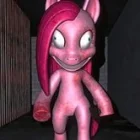

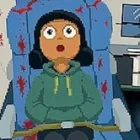

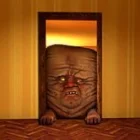

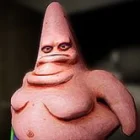









In The Masterplan you start with a house that is empty for the day and a simple plan: Stuart has invited his best friend over, and nothing on the schedule suggests trouble. That ordinary setup matters because the story builds its tension out of a normal afternoon rather than a haunted mansion. Anyone who clicked on the title expecting a heist should know early that this is a short horror story set at home.
| Genre | Atmospheric psychological horror adventure |
| Visual Style | Low-poly retro 3D |
| Premise | Stuart is home alone and invites his best friend over |
| Length | Short |
| Endings | Two |
| Players | Single-player |
| Platforms | Windows and Linux |
A Day at Home in The Masterplan
The premise is deliberately small. Stuart has the house to himself, he asks his best friend to come over, and the story unfolds from that single invitation. The setup feels closer to a sleepover film than to a survival game, and the single-player, story-rich structure leaves the pacing in the writing rather than in combat or inventory.
Early in the game, before the Ouija board comes out, the tone is relaxed. Viewers and players mention the friend’s comedic presence as a highlight, and that humor is what makes the dread land harder later. Players who enjoy slow-burn setups tend to enjoy this stretch the most.
Anyone coming for puzzles, strategy, or a long campaign should adjust expectations. This is a short story to step into, not a system to master.
Low-Poly Atmosphere and the Mix of Dread and Humor
The low-poly retro 3D look does a lot of the work. Rough geometry hides detail and leaves gaps for the imagination to fill, which suits horror well, and the page tags the game as atmospheric for good reason. Rooms that would be ordinary in a realistic style feel slightly wrong here.
Reviewers describe a blend of creepy moments and dark humor, and that mix is the signature of the experience. The jokes from Stuart’s best friend lower your guard, and the paranormal events arrive just after you relax. It is a sensible way to stretch a small story across a short running time.
Jump scares are part of the toolkit, and viewers say they land. Players who dislike sudden scares should know that going in.
The Ouija Board Moment and Two Endings in The Masterplan
The turning point is the Ouija board. One viewer joked that a best friend wanting to play with a Ouija board was never a good idea, and the story proves it, since the paranormal events begin a little after the board is attempted. Horror fans will recognize the trope, and the game uses it as a clean dividing line between the calm start and the unsettling rest.
There are two endings, and players who found both report that they feel similar in the way they scare you, even if the routes differ. Replaying is therefore more about seeing the other path than expecting a completely different tone. That is a fair criticism for anyone hoping for dramatically different outcomes.
Because the running time is short, seeing both endings costs very little. A dark room and headphones help the atmosphere without any extra effort.
Who The Masterplan Suits, and Where It Falls Short
It suits players who like short indie horror with a retro look and a story-first approach. Its itch.io page shows a rating of 4.7 out of 5 across 57 ratings, and commenters praise the tension, the opening buildup, and the ending. Streamers who enjoy reacting to jump scares also find it an easy fit.
The shortcomings come from the same source as the strengths. It is brief, the mechanics are light, and the similar feel of the endings may leave some players wanting more variation. If you want a deep horror campaign with inventory, enemies, and long exploration, this is not that kind of project.
Name confusion is another small hurdle, since other projects use the same title. A quick check of the page for Stuart and the low-poly horror setup confirms you have the right one.
Is The Masterplan the 1970s heist game?
No. This The Masterplan is a short horror story about Stuart and his best friend, while a separate 1970s heist strategy game shares the name. If the page mentions Stuart and a low-poly horror setup, you have found the right one.
How long is The Masterplan?
The page tags it as short, so expect a single session rather than an evening-long campaign. The calm opening with Stuart and his best friend takes up a good part of the time before the Ouija board changes the mood.
Does The Masterplan have more than one ending?
Yes, players report two endings. Both follow the Ouija board scene and the paranormal events that start after it, and players say they end in a similarly scary way, so replay mainly shows you the other route.
The Masterplan works because it keeps its scale small: one house, one invitation, and Stuart’s best friend reaching for an Ouija board at exactly the wrong moment. If you want a horror story that respects your time and still leaves a lingering unease, this is the one to play on a quiet night.
More Horror Scratch Games to Play Next
If The Masterplan clicked with you, try one of these next:
Other Scratch Games to Try
Player Reviews
There are no reviews yet. Be the first one to write one.