
Drifter Star: Evolution
Play Drifter Star: Evolution, a space growth and strategy game, free in your browser. No download, no sign-up.
You may like

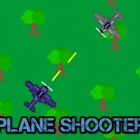






Drifter Star: Evolution seems like a relaxed space toy where you float around and eat whatever is nearby, but every run is really a running bet on size. Each object on screen is either something you can swallow or something that can swallow you, and the gap between those two can be just a few percent of mass. You begin as a lump of rock no bigger than the pebbles around it, and the whole run is about choosing targets smartly enough to keep growing without bumping into anything heavier than you are. Get the bet right and the camera keeps pulling back as your body takes on new forms, until things that once filled the screen are crumbs drifting past.
| Genre | Space growth and strategy |
| Mode | Single-player |
| Starting form | A small asteroid |
| Later forms | Planet, star, black hole |
| Branch choices | Frozen Fortress, Cradle of Life, War Planet |
Reading Mass and Scale in Drifter Star: Evolution
The first habit worth building is judging size at a glance. In the opening minutes, rocks your size look almost the same as rocks slightly bigger than you, and running into the wrong one costs a big chunk of progress. Players who slow down and compare outlines before moving in lose far less mass than players who chase whatever glows. The game never stops you from making a bad collision, so the caution has to come from you.
Small, close targets nearly always beat big, distant ones.
Going after a big rock that barely trails you in mass eats up time, and it often drags you into crowded space where heavier bodies are drifting. Clearing a tight cluster of little fragments gives steadier growth and keeps you out of trouble. A lot of new players find that their best early runs come from patiently picking at the edges of a field rather than diving into the middle of it.
What Changes After Each Transformation
Every new form resets how the space around you looks. Becoming a planet means moons and smaller worlds are suddenly on the menu, while the rocks that mattered a minute ago turn into background noise. That shift is the most satisfying moment in a run, because the scale jump is visible straight away: the camera widens, the surroundings get busier and your old worries stop mattering.
The danger moves up with you, though. Each stage has its own bigger residents, so the caution you learned as a rock still applies as a planet, just with larger numbers. Players who relax right after a transformation often lose that progress in the next few seconds by brushing past something heavier.
Once your body ignites into a star, the rhythm changes again. Movement feels weightier, targets are spread further apart and choosing a direction matters more than reacting quickly. The black hole stage and the factions that show up late in a run add pressure that the calm early minutes never hint at.
Frozen Fortress, Cradle of Life or War Planet
At certain points you pick one of three branches, and that choice decides what kind of body you turn into from then on. Frozen Fortress leans toward a sturdy, defensive style, Cradle of Life suits a gentler build focused on nurturing growth, and War Planet favors a more aggressive approach to the bodies around you. None of them is the obvious best pick, and the right one depends on your appetite for risk.
- Pick Frozen Fortress if collisions keep costing you progress.
- Try Cradle of Life for a calmer, steadier climb.
- Choose War Planet when you prefer pushing into busy space.
- Switch branches between runs to compare how the middle stages feel.
Your branch also changes which mistakes hurt most. A defensive build shrugs off the odd bump, while an aggressive one can stall if it overreaches into crowded space too early.
Strategy fans tend to spend their second and third runs testing each branch on purpose, because the differences show up mostly in how comfortable the middle stages feel. Writing down which branch carried you furthest is a simple trick that makes the next attempt more focused.
Mistakes That Slow Early Runs
The most common slip is greed. Players see a juicy target, ignore what is drifting around it and pay for it with a collision. Another is wandering aimlessly instead of working one area clean before moving on, which wastes time on long flights through empty space.
Ignoring speed is the third trap. Bodies drift at different paces, and a heavy object moving toward you can close the gap faster than you expect. Keeping an eye on what is moving, not just what is close, prevents a lot of sudden losses.
Casual players who just want something calm to unwind with can get away with a looser style in the first stage, since the early field is fairly forgiving. The habits only start to matter once the scale grows and mistakes become expensive.
Pacing Complaints Players Raise
The middle of a run is where opinions split. Some players feel the stretch between transformations asks for too much repetitive collecting before anything new happens, and recent reviews often mention that lull. When the next form feels far away, the loop of swallowing small objects can start to drag.
Others argue the slow build is the point. The late stages only feel huge because you remember being a rock, and cutting the climb short would make the black hole moment far less impressive.
Achievement hunters get extra goals to chase, which helps a bit, but the pacing question does not fully go away. Anyone who dislikes long build-ups may enjoy shorter sessions more than marathon runs.
Drifter Star: Evolution Questions
What is the quickest way to grow early in Drifter Star: Evolution?
Clear tight clusters of small fragments near the edge of a field instead of chasing bigger, distant rocks. Compare outlines before moving in, because hitting something slightly heavier than you wipes out a lot of mass. Steady, safe collecting beats risky chases while you are still a rock.
Which branch should a new player pick?
Frozen Fortress is the most forgiving if collisions keep ending your runs, while War Planet suits players who like pushing into crowded areas. Cradle of Life sits in between with a calmer feel. Trying all three across separate runs is the best way to find a favorite.
Does the game get more interesting after the planet stage?
Yes, most players feel things open up once they ignite into a star and later collapse into a black hole. Targets spread out, late factions add pressure and the sense of scale becomes dramatic. The stretch before that can feel slow, so pushing through the planet stage is worth it.
Drifter Star: Evolution rewards players who treat every collision as a calculated risk, and the branch you take — Frozen Fortress, War Planet or Cradle of Life — decides how the climb from a lonely rock to a black hole actually feels. The runs that work are the ones where patience at the small scale pays off at the big one.
Player Reviews
There are no reviews yet. Be the first one to write one.