

The Boy Who Cried Wolf (Analog Horror)
Play The Boy Who Cried Wolf (Analog Horror), a horror Games game, free in your browser. No download, no sign-up.
You may like








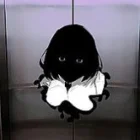
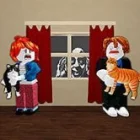



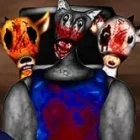

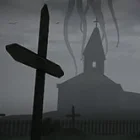






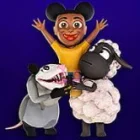




The cry of Wolf in The Boy Who Cried Wolf (Analog Horror) does not work the way a warning is supposed to. Each time the shepherd boy shouts it, the word loses a little value, and by the time a Wolf truly shows up the village has nothing left to spend.
The Shepherd Boy and the Sheep in The Boy Who Cried Wolf (Analog Horror)
The setup is the fable you already know, played straight. The shepherd boy is left alone to watch the sheep, the field is quiet, and the quiet is exactly what makes him restless. His first false alarm costs the villagers a trip, which is why it reads as a prank instead of a crime.
The sheep matter more than they first appear. They are the reason his job exists and the reason the Wolf is a real danger rather than a ghost story, so the stakes never drift away from the flock. One boy, one flock and one Wolf are all it needs.
Analog horror gives that old moral a colder frame, trading the bedtime voice for dread.
How Trust Wears Down, One False Alarm at a Time
The mechanic that matters is not a button press but the slow loss of credibility. The sequence is easy to follow, and every step makes the next one worse:
- The shepherd boy cries Wolf and the villagers come running.
- They find nothing, and the cry starts to feel like a joke.
- The next alarm is met with less urgency than the last.
- The real Wolf arrives, and the same cry no longer moves anyone.
Nothing in that chain is irrational from the villagers’ side. They have learned from experience, so ignoring another cry looks sensible to them. Anyone who knows the whole pattern watches that sensible decision turn fatal.
That predictability is where players can split. Those who know the fable see the last step coming, and some feel the familiarity takes the sting out, while others argue that knowing what is coming is exactly what makes the wait so uncomfortable.
Why the Wolf Lands Harder in The Boy Who Cried Wolf (Analog Horror)
Once the Wolf is real, the word the shepherd boy has been abusing finally means something, and nobody is listening. The horror comes less from the Wolf itself than from the mismatch between a true warning and a village trained to ignore it.
Creature horror fans will watch for the moment the Wolf appears and the sheep are exposed. Psychological horror fans will watch the villagers instead, and the quiet gap between the cry and the response. Both groups end up at the same uncomfortable idea: the shepherd boy helped build his own danger.
After that point, empty stretches of the field start to feel suspicious. Nothing needs to change on screen for the sheep and the open ground to look different, because you now know what could be standing just outside the frame.
What Divides Players About a Fable Turned Dark
People ask whether the game is just the fable with a darker coat of paint, and the honest answer is mostly yes. It follows the logic of the original closely, so the surprise is not what happens but how heavy it feels when it does.
Another question is whether it leans on shocks. The fear rests on dread and consequence, so players who want constant loud scares may find it restrained.
Then there is the question of how it ends. It follows the fable’s logic: once the Wolf is real, the shepherd boy’s earlier lies decide how much help he gets. The rest is better discovered than described.
The Boy Who Cried Wolf (Analog Horror) takes a lesson everyone learned as a child and lets the shepherd boy’s last cry go unanswered, with the sheep exposed in the empty field and the villagers already trained to look away. The Wolf is only the final push; the real damage was done by every false alarm before it.
Other Horror Games You May Like
Enjoyed The Boy Who Cried Wolf (Analog Horror)? These picks from the same genre are a good next step:
Player Reviews
There are no reviews yet. Be the first one to write one.