
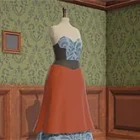
Dressmaker
Play Dressmaker, a cozy crafting simulation game, free in your browser. No download, no sign-up.
You may like


























The fabric roll in Dressmaker decides more about a garment than the sketch does. You can plan a perfect design in the sketchbook, but the final shape of every dress comes from how you lay out pattern pieces on the fabric and exactly where you make each cut.
| Genre | Cozy crafting simulation |
| Fabrics | Cotton, linen, wool, silk, velvet |
| Customers | Townsfolk with commissions |
| Extra | A cat you can pet between orders |
Designing in the Sketchbook
Every garment starts with a plan. You buy fabrics from a wide range that includes cotton, linen, wool, silk, and velvet, then open the sketchbook to decide on the design and its colors. Fabric samples and appliqués get pinned to the page so you can see how the pieces will work together before committing. It feels a lot like a real designer’s mood board, which is part of why the game resonated so strongly with people who sew in real life.
The sketchbook is also where beginners overthink. A simple design with a well-chosen fabric often delights customers more than an ambitious one that falls apart at the cutting stage.
Players who love creative control will spend ages here experimenting with combinations.
Cutting and Sewing in Dressmaker
The hands-on part is what made the game a viral hit. The process follows real dressmaking steps:
- Choose a fabric that suits the commission
- Arrange pattern pieces on the fabric roll
- Cut each piece carefully, since the cut defines the final shape
- Sew the pieces together
- Add decorations and finishing touches
Pattern placement is where experience shows. Laying pieces efficiently saves fabric and money, while sloppy placement wastes expensive materials like silk.
The tactile feel of cutting and stitching is what players describe most often, and it is the moment the game stops feeling like a menu and starts feeling like a craft.
Satisfying or Sabotaging the Townsfolk
Orders come from townsfolk who want garments made to their taste, and you can also make ready-made pieces to sell in your shop. You can aim to please every customer, or you can deliberately sabotage a commission and see how the story reacts. That mischievous option is a favorite topic in the community, and it gives the writing room to surprise you.
Player reviews have been overwhelmingly positive, with around 98 percent of them recommending the game. Between orders, petting the shop cat is a small ritual many players never skip.
The main criticism is that open-ended commissions can feel vague, since there is no single correct answer. Some players love that flexibility; others wish for clearer feedback.
Dressmaker Questions
Which fabric should beginners use first?
Cotton and linen are forgiving and affordable, which makes them ideal for learning pattern placement and cutting. Save silk and velvet for commissions where the customer clearly wants something luxurious. Practicing on cheaper fabric keeps mistakes from draining your budget.
What happens if you sabotage a customer’s order?
The townsfolk react, and the story notices. Sabotage is a deliberate option rather than a failure state, so it is worth trying at least once to see how characters respond. Just remember that ready-made shop sales and good commissions are what keep the business running.
How do you get cleaner results when cutting patterns?
Plan the layout on the fabric roll before making any cut, leaving space around each piece. Since the cut defines the final shape, slowing down at this step improves the finished dress more than any decoration added afterward.
Dressmaker captures the quiet joy of making something by hand, and seeing a velvet gown come together from a sketchbook idea, a careful layout on the fabric roll, and a final stitch is the kind of moment that keeps players coming back to the shop.
More For Boys to Play Next
If Dressmaker clicked with you, try one of these next:
Player Reviews
There are no reviews yet. Be the first one to write one.